

Benefits of a Mini Pellet Stove
Small pellet stoves can provide you with energy-efficient warmth. These small heating options come with a modern design that complements your interior decor, while adding functionality and minimising encroachment into living space.
Pellet stoves require electricity to power their fans and pellet feeder mechanisms. If they have batteries or manual options, they may still be used during power outages.
Energy Efficiency
Pellet stoves are a fantastic option to reduce the use of energy, since they use renewable fuel that doesn't produce pollution in the air. They don't need chimneys, as do wood stoves. A blower is used to deliver hot air into the heating ducts of your home or room. This system also stops smoking and odors from getting into the living area.
The energy efficiency of a pellet stove is measured in BTUs which is the amount of heat generated for each pound pellet that is burned. The greater the BTU rating is, the more efficient the stove is. Another factor that determines the energy efficiency of the pellet stove is its hopper capacity which indicates how long the stove will last before it has to be filled with pellets.
Certain pellet stoves also have the "green mode" that turns the stove off when it's not in use for a long time. This feature can save more energy because it reduces the amount of power that the stove consumes.
Although pellet stoves are an green option than traditional wood burning stoves, they do require electricity to operate various components. Certain models require an electric motor to operate augers, which are used to feed pellets into combustion chambers. They also utilize fans to disperse the warm air created by the combustion process throughout your home or room. These fans require electricity which can increase the overall energy consumption of your home.
Think about a heat pump if you need an alternative that is more efficient than a pellet or wood stove. They use electricity to move heat from the ground or air into your home, and they are more efficient than furnaces and wood stoves. They're also a good choice for homeowners living in areas that have extreme weather.
Like all heating systems, pellet stoves need to be properly maintained to ensure they function at their best. You should regularly empty the ash drawer and wash the burners, and clean the windows regularly to get rid of any condensation that may have formed from the hot air released. It is also important to ensure that your heating ducts are free of obstructions and change your filter regularly to increase efficiency and cleanliness.
Installation Options
Pellet stoves require electricity to operate, but they do not consume a lot of power, especially as compared to other heating systems. They can be used as primary sources of heat in most climates, provided they are properly sized to the area and are maintained. They can also be paired with other heating systems to help reduce energy consumption and improve efficiency.
Freestanding models, like the Harman XXV in this photo ($5,240) can be placed just 1 to 3 inches away from the back wall and 6 to 7 inches away from the sides, making them ideal for small spaces. They are available in a variety of styles to match any style of interior, from traditional to contemporary. If you're interested in installing a pellet stove, speak to several contractors to get the best price for your situation. Be sure to include the cost of the chimney's liner, which can be up to $2,000 or more.
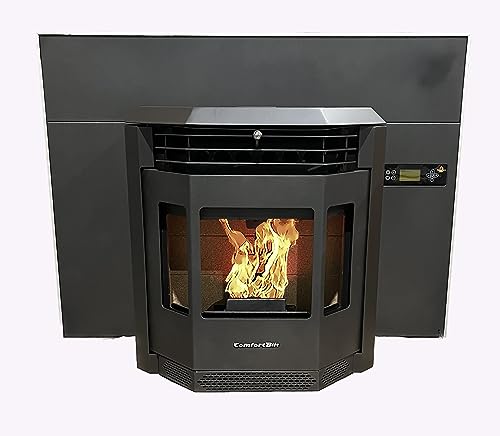
Insert pellet stoves can be put in inside a hearth already in place in your home. They are less efficient than freestanding units but are ideal for homes with open floor plans and little space. They also have a lot of flexibility since they can be moved from room to room.
If you decide to install a pellet stove, you must to follow the manufacturer's instructions to ensure proper clearances. Consider using a heat shield, which can reduce clearances required by up to 2/3. Heat shields are made of many materials, including polished or hammered copper, polished All-Clad aluminum salvaged tin sheeting, and ceramic tile.
To vent a pellet stove, you'll need to use an exterior wall thimble and a length of flexible vent pipe. The thimble needs to be inserted into the exterior wall of your home, and the vent pipe then placed through it. You'll need to wrap the pipe in fireproof insulation and extend it at least 6 inches over the exterior siding of your house.
Installing an alarm for carbon monoxide in your home is a smart idea since a stove made of pellets can create carbon monoxide. The detector will sound an alarm if there's too much CO2 in the air, prompting residents to escape to fresh air.
Environmentally Friendly
A mini pellet stove makes use of biomass fuel to burn, which is a renewable source that emits less smoke than gas or wood stoves. This reduced pollution contributes towards improving the air quality. In addition, pellet stoves consume less energy to operate than other heating options, reducing carbon emissions that contribute to greenhouse gases and contribute to climate change. Mini pellet stoves appeal to homeowners due to their combination of efficiency and environmental consciousness.
Many models come with an automated system that regulates the amount of fuel fed into the pot of combustion according to the predetermined room temperature you set through the thermostat controls. This lets the fire alter from roaring to low burn, or go out completely, then relight, and maintain a constant temperature without effort on your part. It is also possible to connect these stoves to a home internet network to control your smartphone or computer.
Most pellet stoves are self-igniting, making it simple to start a fire with the push of a button. This means that you don't have to crush paper or lighter fluid and can be programmed to automatically switch on at set times to keep your home warm when you're away.
When the fire starts to burn and heat is generated, a blower moves warm air through an exhaust pipe that is vented to the outside. This can be vented out the back or through a small chimney on the roof, based on your home layout and the venting options available.
Pellet stoves tend to be quieter than wood stoves and fireplaces and have a lower maintenance schedule than other heating methods. They are powered by electricity and may not function in the event of an outage. You should have a backup plan in such situations.
These stoves can be used to provide heat to smaller houses, apartments or condos. If you live in a cold climate, you might need to supplement the heat of your pellet stove with other sources of heat. Installation and maintenance of a pellet stove will provide you with years of efficient, comfortable heating for your home or apartment.
Cost-Effective Heating
A small pellet stove will be the best option if you are looking for a cost-effective heating alternative. They are more efficient and release less harmful emissions than traditional wood stoves. They also require less maintenance. However, you'll need purchase and store pellets, which can raise the overall cost of ownership.
The blower of your stove circulates warm air through your home by using the help of a fan. The amount of heat the stove produces is dependent on the size of the space you're trying to heat. A professional can evaluate your space and recommend the stove that is the best fit for your needs. The amount of energy the blower uses will also impact the cost of electricity.
The stove is small enough to fit into tight spaces. The design of the unit is modern and flexible that allows it to blend in with any home design. The stove is EPA-certified, which means it meets stringent emission standards. The stove is also eligible for the Biomass Credit.
You can choose an hopper for fuel that weighs 40 pounds or 120 pounds. A larger hopper will reduce the requirement to refill it regularly. The quantity of pellets that you require will be less.
While the heating capacity of pellet stoves differs, most models can comfortably heat a small to medium-sized space. The larger units can be used to heat larger houses based on the level of insulation and the method of use. However, if you live in a very cold climate or have a large home it is likely that you will require additional heating.
The cost to operate a pellet stove is determined by the price of pellets and how much electricity it needs. As a rule of thumb you can expect to pay around $150 per year in pellets and electricity to run the stove at the standard heating setting. This is a lot less than the cost to run a gas or an oil heater. Contact a local home fireplace dealer to get a free consultation if you want to cut down on your heating costs. They will help you determine your needs and connect you with top-rated pros for proper installation and venting.